



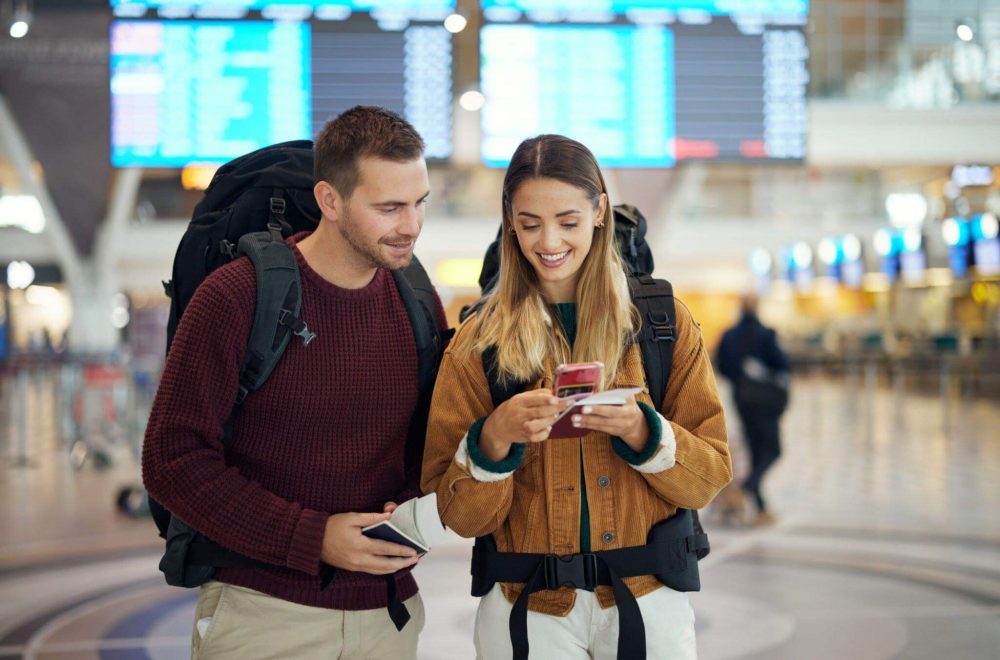
Travel has long been regarded as a privilege, a luxury, a form of leisure—yet it is, at its core, one of the most enriching and transformative acts a human being can undertake. Beyond the glossy brochures, airport terminals, and itineraries lies something far more profound: the opportunity to reconnect with the world in its most vivid and unfiltered form. To travel is not merely to go somewhere new; it is to see with fresh eyes, to shed the skin of routine, and to embrace the uncharted territories of culture, emotion, and perspective.
From the earliest seafarers who set sail into unknown waters to the modern digital nomads working remotely in Bali cafes, travel has always been linked to curiosity. It is that deep, irresistible pull toward what is different, what is distant, what lies beyond the familiar. This impulse has shaped the course of history, from ancient trade routes to great migrations, and continues to shape individual lives today. At its best, travel dissolves the walls between us and others, revealing the common threads of humanity that bind us all—regardless of geography, language, or lifestyle.
One of the most poignant aspects of travel is its ability to shift perspective. When we step outside the cocoon of our daily environments, we are immediately confronted with difference. Different ways of living, thinking, dressing, eating, and believing. In these moments, assumptions unravel. A simple cup of tea in Morocco, sipped slowly under the shade of a riad courtyard, carries the essence of centuries of hospitality and cultural ritual. A local bus ride through a bustling Indian city becomes a sensory mosaic of sound, scent, and movement. These are not just experiences—they are revelations, reminders that there is no single “normal,” only a multitude of beautiful variations.
Moreover, travel often invites discomfort—and that, paradoxically, is part of its gift. When you’re forced to navigate a city without speaking the language, or adapt to customs that are foreign to your own, you are compelled to grow. You develop resilience, empathy, and humility. You learn to listen more and speak less. You begin to appreciate the quiet dignity of difference rather than fear it. These lessons are rarely taught in classrooms but are absorbed in moments of spontaneity, awkwardness, and surprise.
Of course, the rise of global tourism has complicated the picture. In the age of social media, travel can sometimes appear performative. Destinations are curated for Instagram rather than explored with depth. Popular cities are overrun, cultural practices diluted, and the quest for authenticity commercialized. Yet this does not diminish the intrinsic value of travel itself—it merely challenges us to do it better. To travel consciously, respectfully, and responsibly is not only possible, it is essential. Supporting local economies, respecting traditions, treading lightly on the environment—these choices shape whether travel becomes a force for connection or for commodification.
There is also a growing recognition that travel need not be grand or exotic to be meaningful. A weekend retreat to a nearby countryside, a slow train journey across one’s own nation, even a walk through an unfamiliar neighborhood—all of these can expand one’s world. What matters is not the distance covered, but the depth of attention given. Travel, when done mindfully, becomes an act of curiosity and care. It allows us to be both guests and learners, to experience places not as consumers, but as participants in their unfolding stories.
Equally significant is the way travel enriches our inner lives. It breaks the monotony of routine, offers space for reflection, and often unlocks a creative energy that lies dormant in the humdrum of daily obligations. Writers, artists, philosophers—many have drawn their deepest inspiration not from stability, but from the disorientation and exhilaration of being somewhere new. Even for those not engaged in creative pursuits, travel can serve as a powerful reset, reminding us of the vastness of the world and our small, precious place within it.
Another often overlooked facet of travel is its role in fostering empathy. When you’ve sat at a family table in a rural village, shared a joke with someone who doesn’t speak your language, or been helped by a stranger on a foreign street, it becomes harder to cling to narrow identities. Nationalism fades, stereotypes dissolve, and a broader allegiance to humanity begins to take root. You begin to see that borders are largely artificial, and that most people, at their core, seek the same things—love, safety, dignity, joy.
There is a certain poetry in how travel brings us full circle. We leave home in search of the world, and often, it is the world that helps us rediscover home. Returning from a journey, we see the familiar through renewed eyes. What once seemed mundane now shimmers with unnoticed beauty. That morning light falling across your kitchen table, the rhythm of your own street, the kindness of your neighbor—all these acquire a subtle richness you hadn’t noticed before. In this way, travel doesn’t just change our surroundings; it changes our relationship to our surroundings.
In a century defined by digital saturation, where so much of our interaction with the world is mediated through screens, the raw immediacy of travel is more vital than ever. It restores the tactile, the real, the unfiltered. It is a rare space where serendipity still thrives. Where chance encounters can alter your course, where landscapes can quiet your mind, and where cultures can break open your assumptions. To travel is to remember that the world is still wide, mysterious, and full of grace.
Ultimately, the true value of travel lies not in the photographs we take, the souvenirs we collect, or the boxes we check on a map. It lies in the quiet, enduring shifts it creates within us. It lies in the courage to leave, the openness to experience, and the humility to return changed. And in a world that often urges us to rush, to consume, to accumulate—travel, at its best, invites us instead to slow down, to witness, and to belong.
