



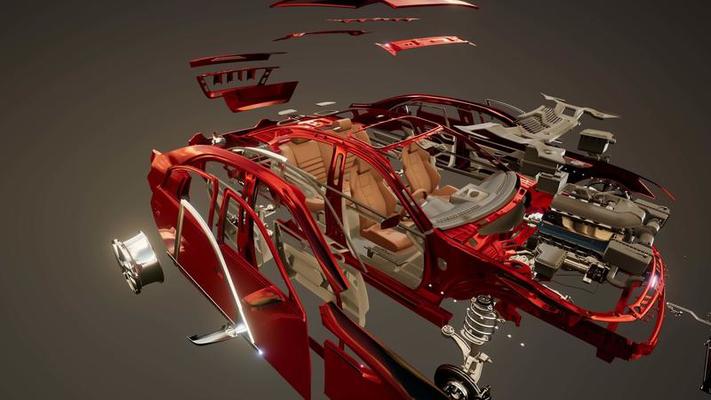
The automobile, a symbol of freedom and technological prowess, represents more than just a means of getting from point A to point B. It is the culmination of over a century of engineering ingenuity, innovation, and precision. Beneath the exterior of any vehicle—whether it’s a luxury sedan gliding down a boulevard or a rugged pickup truck traversing a remote trail—lies an intricate world of auto parts, each playing a critical role in delivering performance, safety, and comfort. These parts, often unnoticed, are the silent workhorses of the modern age, ensuring that vehicles not only run but do so reliably, efficiently, and safely.
To truly appreciate the importance of auto parts, one must first understand the remarkable complexity of the modern vehicle. A standard car is composed of over 30,000 individual parts, ranging from major systems like the engine and transmission to minute elements such as fasteners, sensors, and gaskets. Each of these parts is designed to fulfill a specific function, and their harmonious interaction is what enables a vehicle to operate effectively. When even a single component malfunctions, the consequences can range from minor inconveniences to significant safety hazards.
Auto parts fall broadly into several categories, each representing a fundamental aspect of vehicle operation. Powertrain components, which include the engine, transmission, and drivetrain, are central to a car’s ability to generate and transmit power. Chassis and suspension parts govern how the vehicle handles on the road, absorbing shocks and providing stability. Electrical and electronic systems—encompassing everything from headlights to navigation units—have become increasingly sophisticated, turning cars into intelligent machines capable of autonomous functions. Then there are consumables such as brake pads, filters, and belts, which require regular replacement to maintain optimal performance.
A key distinction within the auto parts industry lies in the source and classification of parts. Original Equipment Manufacturer (OEM) parts are made by the vehicle’s manufacturer or a licensed partner, ensuring perfect fit and function. These parts are often preferred for their quality and reliability, particularly when maintaining warranty compliance. Aftermarket parts, on the other hand, are produced by third-party manufacturers and can vary widely in quality. Some are engineered to exceed OEM specifications, especially in high-performance applications, while others offer more economical solutions for budget-conscious consumers. A third category, remanufactured or refurbished parts, represents a growing segment that combines affordability with environmental responsibility. These components are restored to working condition through rigorous testing and reconditioning, helping reduce waste and extend the life of valuable materials.
The growth of e-commerce has dramatically transformed the way consumers and professionals purchase auto parts. Online marketplaces now offer a vast array of products, often at competitive prices, with detailed specifications, compatibility data, and customer reviews readily available. This digital transformation has empowered do-it-yourself enthusiasts and small repair shops alike, allowing greater access to parts that were once restricted to dealership channels. However, this convenience also brings challenges—navigating the complexity of part numbers, vehicle compatibility, and counterfeit risks requires careful attention and, at times, technical expertise.
In the world of auto parts, safety is paramount. Components such as braking systems, steering mechanisms, and airbags must adhere to rigorous standards set by regulatory bodies. A substandard or improperly installed part can compromise the entire safety profile of a vehicle. For this reason, quality control and certification are crucial elements in the parts manufacturing process. Reputable manufacturers invest heavily in testing, materials science, and precision machining to ensure that their products meet or exceed industry requirements.
Beyond maintenance and repair, auto parts also serve a vibrant culture of customization and performance enhancement. Car enthusiasts around the world invest in upgrades that reflect personal style, improve driving dynamics, or prepare vehicles for specific uses, such as racing or off-roading. High-performance intakes, custom exhaust systems, upgraded suspension kits, and advanced tuning software are just a few examples of parts that allow owners to tailor their vehicles to their preferences. This aftermarket ecosystem not only fuels innovation but also fosters a deep sense of community among those passionate about automotive design and engineering.
The environmental impact of the auto parts industry is another important consideration in today’s climate-conscious world. Manufacturing, shipping, and disposing of vehicle components generate significant emissions and waste. In response, many manufacturers are embracing more sustainable practices—utilizing recycled materials, designing parts for longer lifespans, and creating closed-loop systems that reclaim and repurpose old components. The advent of electric vehicles (EVs) further complicates the landscape. While EVs require fewer moving parts than internal combustion vehicles, they rely heavily on new types of components, including lithium-ion battery packs, power inverters, and thermal management systems. As the transition to electric mobility continues, the auto parts sector will need to adapt rapidly, developing new supply chains, manufacturing capabilities, and maintenance paradigms.
Looking forward, technological innovation will continue to redefine the nature of auto parts. The integration of artificial intelligence, advanced sensors, and connectivity features is transforming vehicles into smart platforms. Parts are no longer solely mechanical; many are now digital, requiring software updates as much as physical servicing. Predictive maintenance systems, for instance, can analyze sensor data to forecast part failures before they occur, enhancing reliability and reducing downtime. Additive manufacturing, or 3D printing, also holds promise for revolutionizing the production of certain parts, particularly rare or low-volume components that would be expensive to manufacture through traditional means.
In conclusion, auto parts are much more than interchangeable pieces of machinery—they are the essence of vehicular function, the enablers of motion, and the protectors of safety. From the smallest bolt to the most advanced electronic module, each component plays an indispensable role in the greater orchestration that is modern transportation. As technology evolves and the automotive world shifts toward sustainability and smart systems, the role of auto parts will become even more critical, not only in how we move but in how we live. Understanding and appreciating this hidden architecture is not just a matter of technical interest; it is a tribute to the intricate dance of innovation, precision, and purpose that defines the vehicles we depend on every day.
